
Essay · Pillar II — The Human Image
The Selfie and the Soul
We used to believe the soul was invisible. Now, we document every angle of ourselves — except the one that matters.
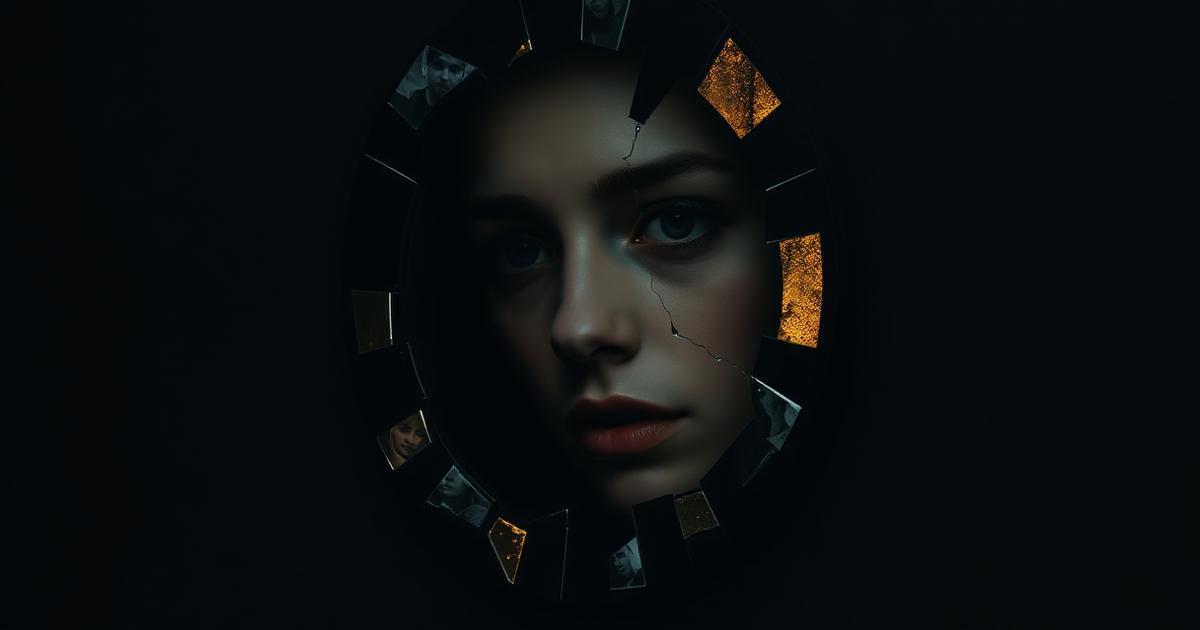
We live in the age of the ever-present selfie, whether we take them or not. Our faces are scanned everywhere we go. Even when no camera is involved we are tracked in many ways by social media and technologies we can't even see. And yet we curate our appearance when we know the camera is pointing at us.
So the selfie isn’t just a photo of us. In some ways it's a negotiation of who I think I am, compared to who you think I am.
We curate our angles, filter our blemishes and flaws, and present a version of ourselves that’s optimised for approval by others. And yet, the more we refine our image to be more acceptable to others, the more it seems that we lose something essential about who we truly are.
The Hebrew word for “soul,” nephesh, doesn’t refer to a disembodied spirit but to the whole, breathing, desiring person — the “you” that laughs, hungers, and weeps. Can a selfie capture that? Can an algorithm? If the nephesh is the fullness of who we are, then the answer is no. Algorithms don’t see the nephesh; they see patterns, behaviours, and data points. And yet, they don’t just observe—they shape.
The Algorithm’s Gaze
AI doesn’t just see us; it shapes us. When Amazon recommends products or Instagram recommends people for you to follow, these systems aren’t just reflecting our tastes — they’re actually reinforcing them. They nudge us towards a version of ourselves that’s easier for them to categorise, monetize, and hence control (by somebody else). The danger isn’t just that we’re being watched, but that we’re learning to watch ourselves through the algorithm’s eyes.
In The City of God, Augustine warns against the love of self that leads to contempt for God. But what happens when our self-love is mediated by machines? When our identity is no longer a mystery to be explored but a profile to be optimised? The Imago Dei — the idea that we bear God’s image — suggests that our true self is not something we create, but something we discover as we live it. Yet in the digital age, we’re increasingly treating identity as a project to be managed, not a gift to be received.
The Mirror and the Mask
There’s a story in the Bible about a king who asked for a sign to prove God’s presence. God’s response? “I will give you a sign: the virgin will conceive and bear a son” (Isaiah 7:14). Now, we probably know how this sign was fulfilled — but that’s not the point.
The sign wasn’t a grand display but a small human life — vulnerable, embodied, and real. Today, our signs are different. We look for validation in metrics: followers, likes, engagement rates. But these numbers don’t tell us who we are. They tell us who we appear to be.
The Greek myth of Narcissus ends with the young man drowning in his own reflection. Our modern myth might end with us drowning in our data — so consumed with the image we’ve crafted that we forget the person behind it. The Imago Dei reminds us that we are more than what we produce, consume, or project. We are known — fully, deeply — by a God who doesn’t need our data to understand us.
A Counter-Cultural Act
So how do we resist the reduction of the self to a brand? Perhaps by embracing the parts of ourselves that can’t be quantified. The moments of silence. The unfiltered emotions. The desires that don’t fit neatly into a demographic box.
The Desert Fathers of early Christianity withdrew from society to seek God in solitude. Maybe we need a kind of digital desert — spaces where we refuse to perform, where we resist the urge to curate. Where we remember that the soul isn’t a selfie. It’s the invisible, made visible in acts of love, creativity, and worship.
Continue the conversation
What’s your take?
Leave a reply below, subscribe to The Letter, or send a note directly. We’re gathering thoughtful responses from readers, pastors, scholars, and technologists.
If you enjoyed this, you might also like
Replies
Leave your reflection
Loading replies…